How to Start a Mobile Massage Business
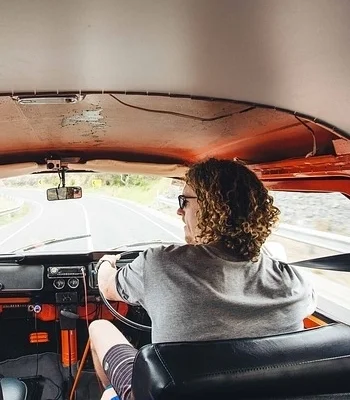
More massage therapists are stepping outside traditional clinics to meet clients where they are, offering a more personalized experience. Offering massage services at home, offices, or events is a smarter way for practitioners to grow a flexible, low-overhead business.
Mobile massage therapy is gaining traction as more people look for wellness that fits into busy lives. Even some established clinics are diversifying by adding mobile massage services, hiring practitioners to bring care directly to clients.
If you're ready to break out of the treatment room and reach clients on their terms, this guide is for you. We will walk you through everything you need to know to build a successful mobile practice.
Let’s start with the basics.
Key Takeaways
Short on time? Here's the quick version.
- Get licensed, insured, and registered first. You need the same massage license as a clinic therapist (RMT or LMT), plus liability insurance, business-use auto coverage, and a registered business.
- Build travel costs and prices into your pricing. Budget for your table, linens, supplies, and insurance, and set rates that cover travel time, fuel, and the areas you serve.
- Let software handle the admin. Online booking with service areas, automatic reminders, and mobile-friendly notes saves you from phone tag and no-shows.
- Find clients and stay safe. Start with people you know, a Google Business Profile, and local partners, and use client screening and check-in alerts when working alone.
What Is Mobile Massage?

What is mobile massage? It’s a professional massage therapy service provided at the client’s location, whether that’s their home, office, hotel room, or even a fitness center. As the therapist, you bring all the necessary equipment, including the massage table, oils, linens, music, and any other items that help create a relaxing experience.
A mobile massage therapy practice appeals to clients who want convenience, privacy, and a personalized approach. It’s also a great way for therapists to build strong, loyal client relationships by providing care in a familiar and comfortable setting.
Now that you know what mobile massage is, let’s explore why this business model is booming- and why 2026 is the perfect time to get started.
Mobile Massage vs. Home-Based Massage
Mobile massage means you travel to the client. Home-based massage means clients come to a treatment room in your home. Some therapists do both. Running your business from home, with booking, charting, and billing handled there, works with either model. If clients visit your home, check local zoning rules and whether you need a home occupation permit, and let your insurer know.
Now that you know what mobile massage is, here's the roadmap for how to start a mobile massage business.
How to Start a Mobile Massage Business: Step by Step
Starting a mobile massage business doesn't have to feel overwhelming. Here's the short version, step by step. Each step links to the section that covers it in more detail.
- Get your massage license (RMT or LMT).
- Get insured: professional liability, plus general liability and business-use auto coverage.
- Register your business with your state, province, or city.
- Write a simple business plan.
- Budget for startup costs and pack your mobile massage kit.
- Set your prices, including travel.
- Choose your services and niche.
- Set up online booking, policies, and paperwork.
- Find your first clients.
- Build safety into your routine.
Before we get into each step, here's why more therapists are choosing this model.
Why Start a Mobile Massage Business?

Mobile massage is part of a larger shift toward convenience-focused wellness. With more people working from home and prioritizing stress relief, there’s never been a better time to offer massage therapy that comes to them.
According to Future Market Insights, the global massage services market is expected to reach $146.13 billion by 2034. Mobile massage services are leading the way due to their lower overhead, personalized care, and growing demand among busy professionals and families.
Clients Feel More Relaxed at Home
Being in their own space allows clients to relax more quickly and deeply. They don’t have to commute or wait in a busy lobby. That comfort translates into a better experience and stronger trust in your care.
You Control the Setup
You get to create the ambiance that suits each client’s preferences. Whether it’s soft lighting, soothing music, or aromatherapy, you bring the spa experience to them, on their terms.
Lower Costs, Higher Profit Margins
Without rent, utilities, or a front desk staff, your overhead remains minimal. You keep more of what you earn and can set your rates, service area, and hours.
Lower Overhead, More Flexibility
Without rent, utilities, or front desk staff, your overhead stays low. Fuel and vehicle costs still add up, but you keep more of what you earn and can set your rates, service area, and hours.
Mobile Massage Software Simplifies Your Workflow
Between driving, setting up, and finishing notes between clients, admin can quietly take over your evenings. The right tools take some of that weight off.
With practice management software like Noterro, you can manage online scheduling, billing, clinical notes, intake forms, and payment processing in one place. That saves time and helps you stay organized and professional. Noterro complies with HIPAA and PIPEDA privacy standards, so your client records remain protected.
For mobile therapists specifically, Noterro GO adds tools built for the road: service-area booking (clients can only book where you travel), GO Mode (a driver-friendly view of your day), one-tap messages to clients, and syncing with Android Auto and Apple CarPlay.

Clinics are Expanding into Mobile Services
Many existing clinics are adding mobile massage services by hiring practitioners to provide them. This expands their reach and meets the growing demand of clients for flexible care without the need for costly clinic expansions.
Here’s something you’ll appreciate: How to Successfully Manage a Clinic and Mobile Practice on Wheels
Convinced that mobile massage is a good fit for you? Let’s talk about what credentials and licenses you need to start working professionally.
What Licenses and Insurance Do You Need to Start a Mobile Massage Business?
Becoming a mobile massage therapist involves the same training as working in a clinic, along with a few additional considerations.
Most regions require:
- Where licensure or registration is required, that means passing a licensing exam (the MBLEx in most US states) or meeting your provincial regulator’s requirements in Canada.
- Carrying professional liability insurance
- Registering your business (for example, as a sole proprietorship or LLC in the US, or a sole proprietorship or corporation in Canada)
Some localities may also require mobile business permits or specific health and safety protocols. Make sure to check with your state or provincial massage regulator or association, as well as local business regulations.
Here's how the basics compare in the US and Canada. Rules vary by state, province, and city, so always confirm with your regulator.
| United States | Canada | |
|---|---|---|
| Title | LMT (licensed massage therapist) | RMT (registered massage therapist), where regulated |
| License | State license, usually through the MBLEx | Provincial registration where regulated. Rules vary by province. |
| Business setup | Sole proprietor, LLC, or DBA registration | Sole proprietorship or corporation, plus business name registration |
| Insurance | Professional and general liability, plus business auto | Professional liability (often through your regulator or association), plus business auto |
What Insurance Does a Mobile Massage Therapist Need?
Plan for three types of coverage:
- Professional liability (also called malpractice insurance): covers claims that your treatment caused harm.
- General liability: covers incidents like a client tripping over your table.
- Business-use auto coverage: tell your auto insurer you drive to clients for work, since a personal policy may not cover it.
Some therapists also insure their equipment against theft or damage. Ask an insurance agent who works with health and wellness professionals, or check what your association offers.
Bonus tip: Certifications in specialties such as prenatal massage, sports massage, or myofascial release can help you stand out and attract a targeted clientele.
Once you're licensed and insured, it's time to map out your business. Here's how to put together a simple plan.
Write a Simple Mobile Massage Business Plan
A business plan doesn't need to be long. One or two pages is enough to keep you focused, and you can update it as your practice grows. Answer these questions:
- Who is your ideal client (busy professionals, new parents, seniors, athletes)?
- Where will you travel, and how far is too far?
- Which services will you offer, and at what prices?
- What will it cost to get started, and what are your monthly expenses?
- How will clients book, and what are your cancellation and payment policies?
- How will you find your first clients?
Revisit your plan at least once a year, or whenever you add a service or expand your service area. A plan also gives you a budget to work with. Let's break down the typical startup costs involved.
How Much Does It Cost to Start a Mobile Massage Business?
Starting a mobile massage business is surprisingly affordable, especially compared to renting or opening a brick-and-mortar location. But you’ll still need to budget for essentials.
Here's what to budget for, and what affects the cost of each item:
| What to budget for | What affects the cost |
|---|---|
| Portable massage table and carrier | Weight, padding, and durability |
| Linens, pillows, and face cradle covers | How many sets you carry for a full day |
| Oils, lotions, and accessories | The variety you offer and any add-on services |
| Cleaning and sanitizing supplies | How many clients you see each week |
| Professional liability insurance | Your coverage level and your association or regulator |
| General liability and business auto coverage | Your vehicle, how far you drive, and your insurer |
| Business license or permits | Your state, province, or city |
| Booking and practice management software | The plan and features you choose |
| Website and marketing basics | Doing it yourself or hiring help |
Costs vary by location and by what you already own, so build your budget around your own list. If you're already a practicing therapist, you may own much of this gear. Reliable essentials are worth prioritizing, since they shape the client experience from the first visit.
Your equipment can make or break the client experience. Here's what to pack in your mobile massage kit to stay prepared and professional.
Also read: 6 Ways Massage Therapy Software Reduces No-Shows & Cancellations
Setting Up Your Mobile Massage Kit: What to Pack in Your Car
Your car becomes your portable clinic, so staying organized and well-stocked is essential. The right equipment ensures you can deliver a consistent, high-quality experience regardless of location. Proper gear also reflects your professionalism and enhances client comfort.
Here’s what you’ll need to pack:
1. Portable Massage Table and Carrier
Invest in a massage table that’s lightweight, sturdy, and has adjustable height settings. Choose one with comfortable padding, a detachable face cradle, and durable material like vinyl. Use a well-padded carrier with compartments for extra supplies, which protects your gear and makes transport easier.
2. Clean Linens, Pillows, and Covers
Bring fresh sheets, face cradle covers, and hypoallergenic pillows or memory foam headrests. Always pack extras for multiple clients or emergencies. Sanitary, soft linens show clients you care about hygiene and comfort.
3. Lotions, Oils, and Massage Accessories
Carry a variety of high-quality, skin-safe lotions or oils. Offer both scented and unscented options. Depending on your services, you might also need tools for cupping, hot stones, or aromatherapy.
4. Clock or Timer and Music Devices
A timer helps manage session lengths discreetly. Use a Bluetooth speaker to create a calming environment with soothing music. Avoid using your phone for timing or music to keep distractions minimal.
5. Cleaning and Sanitizing Supplies
Disinfectant wipes, hand sanitizer, gloves, and a small trash bag should always be on hand. Clean your table and equipment between each appointment to maintain a professional standard.
6. Bolsters and Cushions
These provide support during treatments, especially helpful for prenatal, elderly, or injury-recovery clients. Lightweight and foldable options are best for transport.
7. Additional Setup Tools
Other helpful items include towel clips, aromatherapy diffusers, and a clipboard or tablet for digital intake forms and charting. Keeping everything in soft cases or organizers prevents damage and makes setup quick and easy.
Pro tip: Create a checklist and keep it in your car. Running a mobile massage therapy practice means being on the move, and being prepared is half the job.
With your kit ready to go, it’s time to think about your pricing strategy. Here’s how to price your services for profit and sustainability.
Also read: How Scheduling Software Optimizes Your Massage Therapy Practice
How to Price Your Mobile Massage Services Profitably
Setting the right mobile massage prices ensures your time is respected and your business is sustainable. Pricing should reflect your experience, travel time, and the value of personalized, on-site care.
Here are some common pricing structures:
- Base rate for 60-minute session: $90–$130
- Travel fee beyond a certain radius (e.g., $1–$2 per mile)
- Tiered pricing for 90- and 120-minute sessions
- Add-ons: aromatherapy, hot stones, cupping
- Packages: 5-session bundles at a discounted rate
Rates vary by market and change over time, so check what local mobile therapists charge before you set yours. Shorter sessions can be hard to make profitable once you count driving and setup time, so many therapists favour 60- and 90-minute sessions.
Noterro GO makes this easier with geofenced online booking, allowing you to define service areas and assign premium rates in specific zones.

You can also set travel time between appointments to avoid burnout and improve scheduling efficiency.

You can refer to this detailed article for setting your prices: 8 Smart Pricing Hacks Every Massage Therapist Needs to Know
Now that you’ve thought about pricing, let’s explore how your service offerings can help you stand out in a competitive market.
Should You Specialize or Offer General Mobile Massage?
Choosing between offering general massage services or narrowing down into a niche is one of the most strategic decisions you'll make.
Going broad gives you flexibility and access to a wide pool of potential clients. But if you specialize, you can become the go-to expert in a particular category, often charging higher rates and attracting more referrals.
Specialization also helps with marketing. When your services are aligned with a specific group (like prenatal clients or athletes), your messaging becomes more targeted and effective.
It’s easier to build a brand that resonates and to partner with businesses that serve the same audience. On the flip side, offering a general massage practice lets you test various audiences and refine your niche over time.
Popular niches for mobile massage include:
- Prenatal or postpartum massage
- Sports or injury recovery massage
- Geriatric or in-home senior care
- Corporate massage for office environments
- Event or festival massage pop-ups
If you choose a specialty, make sure to market your expertise clearly on your website and business cards.
With your services and prices in place, let's set up the systems that keep your business running smoothly.
Set Up Your Booking, Policies, and Paperwork
When you're on the road, you can't answer the phone mid-session. A simple system keeps bookings and paperwork under control.
Online booking and reminders
Let clients book online and send automatic reminders by email or text. With Noterro GO, you can set service areas and travel time so clients can only book where and when you can get there.
Cancellation and payment policies
Write down your cancellation window (many therapists use 24 hours' notice), your late arrival policy, and how you take payment. Share it at booking so clients know what to expect.
Intake forms, consent, and SOAP notes
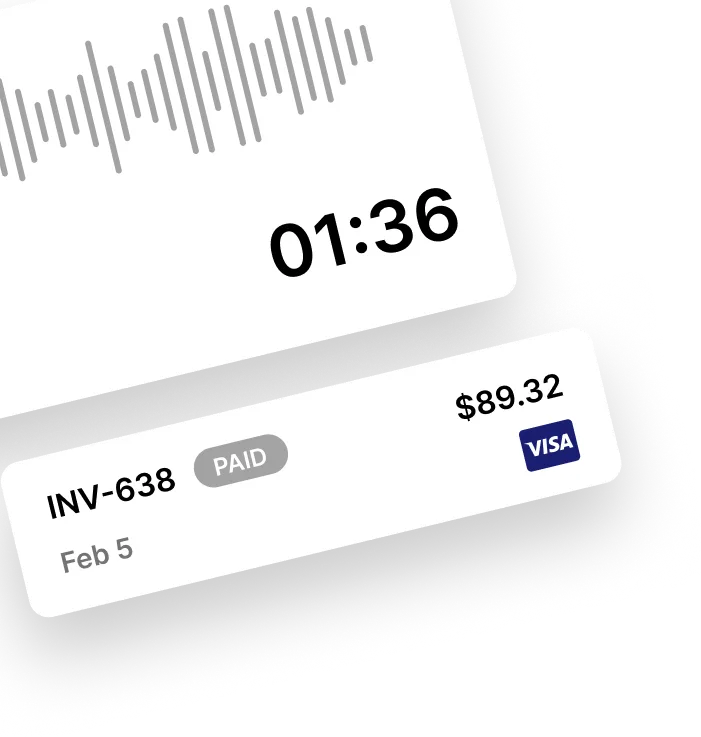
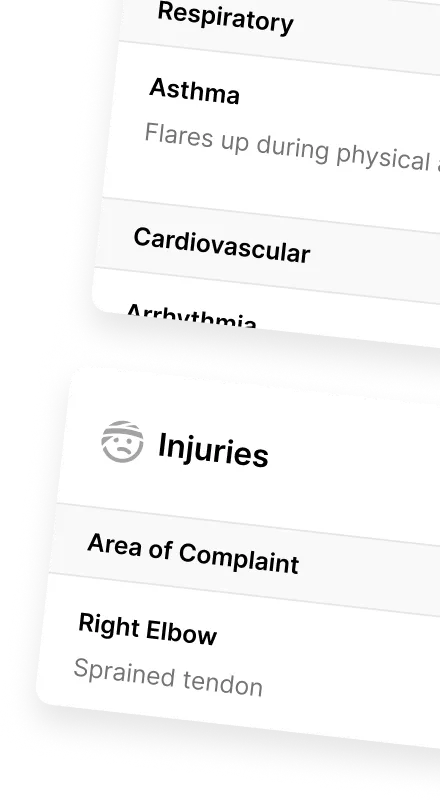
Collect intake and consent forms before the first visit to determine whether massage is appropriate for the client. After each session, document it with SOAP notes. Digital forms and notes keep everything secure and available on your phone or tablet, with no filing cabinet. With Noterro Scribe, you can dictate notes between clients instead of typing them.
Looking for software built for your practice? Explore Noterro for massage therapists.
Once you're up and running, it’s time to fill your calendar. Let’s look at smart local marketing tactics to bring in consistent clients.
Local Marketing Ideas to Grow Your Mobile Massage Business
Attracting clients goes beyond your skills. You must make sure the right people know about you. Local marketing builds trust and visibility, helping you stand out in your community. Here are some key strategies to grow your mobile massage business effectively:
Start With Your Personal Network and Referrals
Inviting a stranger into their home can feel like a big step for clients, so trust matters. Let friends, family, neighbours, and colleagues know you're taking bookings. Early clients often become your best source of referrals, so offer a small thank-you, like a discount, to clients who refer a friend.
Create and Optimise Your Google Business Profile
A well-maintained Google Business Profile is crucial for local search visibility. Claim your listing and add clear photos of your massage setup and workspace. Include your service areas and hours to set expectations. Since you travel to clients, set it up as a service-area business so your home address stays private. Encourage clients to leave honest reviews—these build your credibility quickly. When people search “mobile massage near me,” this profile helps you show up in local results.
Leverage Social Media to Build Engagement and Trust
Use platforms like Instagram and Facebook to share wellness tips, quick videos of your setup, or client testimonials (with permission). Posting consistently keeps your practice top of mind. Behind-the-scenes glimpses and helpful advice create personal connections, encouraging potential clients to book with you.
Partner with Local Wellness Professionals
Form alliances with yoga instructors, personal trainers, doulas, or fitness coaches. These professionals share your target audience and can refer clients. You might collaborate on events or offer exclusive discounts to each other’s clients. Such partnerships expand your reach and build your reputation.
Join a Professional Association
Membership adds credibility and often comes with directory listings and insurance options. In the US, consider AMTA or ABMP. In Canada, check your provincial association.
Host Mini Demo Sessions at Community Spots
Offer short free or low-cost massage demos at gyms, coworking spaces, or health fairs. This lets people experience your skills firsthand and often leads to full bookings. It’s also a great way to build word-of-mouth buzz and meet potential clients face-to-face.
Use Noterro GO to Enhance Client Communication
Stand out by using Noterro GO’s quick-touch messaging and GO Mode features. Send clients easy appointment reminders and “I’m on my way” updates with one tap. This proactive communication builds trust and keeps clients informed, improving satisfaction and repeat bookings.
Before you start booking appointments, it's important to think about your safety. Here’s how to work confidently while staying protected on the road.
Safety Tips for Mobile Massage Therapists Working Alone
As a mobile massage therapist, you're often walking into unfamiliar environments alone. That independence offers flexibility, but it also comes with responsibility for your personal safety. Prioritizing safety doesn't mean being fearful. It means being prepared. Working alone can feel isolating at times, so it helps to have a plan and a safety net.
Here are essential safety tips to help you feel confident while working alone:
- Verify new clients before the session: Collect full names, addresses, and contact details using a secure intake form. Confirm all new appointments with a phone call.
- Trust your instincts: If a client or location feels off, it's okay to cancel. Your safety comes first.
- Share your schedule: Use Noterro GO's built-in safety alert feature to add trusted contacts and stay connected. If you forget to check out after an appointment, your emergency contact will automatically receive a notification. This keeps someone in the loop and gives you peace of mind while on the road.
- Avoid risky bookings: Steer clear of last-minute or late-night appointments in unfamiliar areas.
- Always keep your phone charged: Carry a portable charger and keep your phone within easy reach throughout the session.
- Carry a personal safety device: Consider tools like a keychain alarm, whistle, or pepper spray for added peace of mind.
You’ve covered everything from setup to safety, now here’s a quick recap and what to do next.
Wrap-Up: Turning Your Mobile Massage Dream into Reality
If you’ve been wondering how to become a mobile massage therapist, you now have the roadmap. Many clients want personalized wellness experiences, and mobile massage is a practical way to offer them.
Start with a clear mobile massage business plan, invest in the right tools, and build strong relationships one session at a time.
From setting your pricing to managing your route and staying safe, Noterro GO is built to support practitioners on the move. You don’t need a spa to build a thriving career; you need your skills, a solid plan, and a setup you can rely on.
FAQ
What licenses and insurance do I need to start a mobile massage business?

How much does it cost to start a mobile massage business?
How much should I charge as a mobile massage therapist?
Do I need a business plan for a mobile massage business?
Can I run a mobile massage business from home?
How do I get my first mobile massage clients?
How do I stay safe as a mobile massage therapist?
What software do mobile massage therapists need?
Share