No items found.
Free Webinar · May 7 · How to Get (and Keep) More Patients as a Practitioner →
Save Your Spot


Table of Contents

Experience Better Practice Management Today!
Starting at $28.05/month
No Credit Card Required
Experience Better Practice Management Today!
Starting at $30/month
No Credit Card Required
Many chiropractic clinics stay busy every week, yet I still see them struggle to grow and stay in control. Demand keeps rising, and the global chiropractic market is already worth over $12 billion in 2026, showing how competitive the space has become.
Even with full schedules, growth often slows once operations start feeling harder to manage. Patient flow, retention, and admin work can quickly pull the clinic in too many directions. At the same time, overhead and manual tasks continue to rise. That makes it harder to scale without better systems or automation.
In this article, I’ll break down:
A chiropractic business plan gives your clinic clear direction. It outlines your goals, the strategies behind them, and the actions needed to reach them.
It usually covers your target patients, service focus, and how the clinic plans to generate steady revenue. Financial planning and patient acquisition also become part of this structure.
Many clinics stay busy but still operate without this clarity. Decisions are made week by week rather than following a long-term plan.
In my experience working with practitioners, clinics grow more steadily when the business side becomes organized. Systems that connect scheduling, patient records, and billing help turn plans into daily routines.
These workflow systems improve operational efficiency by reducing manual work and maintaining consistent daily operations as the clinic grows, and tools like Noterro help many clinics keep those operations structured as they expand.
Bonus Read: The Secret Business Problem You’re Probably Overlooking in Your Chiro Clinic
Without a clear plan, growing your chiropractic practice can feel like guesswork. You risk wasting time and money on what doesn’t work. A solid growth plan keeps you focused and supports steady, predictable growth, especially when paired with a chiropractic practice management solution.
Before drafting a growth plan, the clinic needs a solid foundation. Skipping this step often leads to missed opportunities, weak financial planning, or goals that do not match reality. Taking time to review a few key areas helps ensure the plan reflects how your clinic actually operates.
Scaling a chiropractic practice requires more than ambition. It requires time, focus, and the ability to manage responsibilities beyond patient care.
Start by evaluating your time. Running a growing clinic involves hiring, marketing, scheduling decisions, and financial oversight. If most administrative work still sits on your shoulders, it may be time to delegate tasks to staff or outsource certain operations.
It is also important to evaluate business skills. Clinical expertise remains essential, yet growth often requires stronger financial management, leadership, and marketing awareness.
If these areas feel unfamiliar, mentorship or targeted training can help strengthen those skills before expansion begins.
Also Read: What's the Best Business Model for Your Chiropractic Practice?
A growth plan works best when it reflects the patients your clinic serves. Understanding your audience helps shape services, communication, and marketing efforts. Many clinics naturally attract a mix of patients, such as:
Each group often arrives with different needs. A clinic that sees many desk workers may focus on posture correction or ergonomic education.
Patient conversations and short surveys also help reveal common concerns. Back pain, stiffness, and reduced mobility are common, yet each group may prioritize care differently.
Understanding your local market helps identify where opportunities exist. Demand for chiropractic care varies by location, patient demographics, and existing competition.Start by reviewing local demand. Tools such as Google Trends and regional health data can reveal patterns in musculoskeletal conditions and in aging populations.
Next, conduct a competitor analysis to understand the landscape you’re operating in. Research other chiropractic practices in your area and take note of their strengths and weaknesses. Look at:
If most clinics provide general care, focusing on prenatal or pediatric chiropractic care may help your clinic stand out. This also helps improve patient acquisition by aligning your services with what people are actively searching for in your local market..
Growth requires careful financial planning. Without preparation, clinics risk overspending or underestimating the cost of expansion. Start by identifying major expenses, such as:
Some costs can appear quickly. A spinal decompression unit may cost around $10,000, while digital marketing campaigns may require $1,500–$3,000 each month.
So what to do?
Every chiropractic clinic needs a clear reason patients choose it over others. This positioning serves as the foundation for your branding and communication.
Start by identifying your unique strengths. What can you offer that competitors don’t? This might include:
Next, craft a message that clearly and concisely communicates your USP. For example, if you specialize in treating athletes, your USP might be: "Empowering athletes to recover faster and perform better with personalized chiropractic care tailored to their sport."
Once this focus becomes clear, it should appear consistently across your website, marketing materials, and patient interactions. Consistency helps patients understand what the clinic stands for and builds trust over time.
You might also like this read: How to Maximize Your Practice Growth with Chiropractic Scheduling Software
Expanding your chiropractic practice doesn’t happen by chance. It requires a well-thought-out chiropractic growth strategy. In this section, we’ll understand the structured approach and steps you need to take to scale your practice effectively.
The steps below focus on patient flow, operational efficiency, and long-term stability. Each one helps you strengthen a different part of the practice while keeping growth manageable.
Before planning for growth, you need a clear understanding of your practice’s current standing. This foundational step helps identify strengths, weaknesses, and areas that need improvement. Skipping this analysis could lead to scaling inefficiencies or misdirected resources.
Numbers don’t lie. Tracking your KPIs provides measurable insights into the health of your practice and supports better, data-driven decision-making as you plan for growth.
To track these metrics, you can use a clinic management solution like Noterro to monitor patient retention, billing, and service performance.
Your patients are your best source of insight. Gathering their feedback helps uncover gaps in satisfaction or services.
Here’s something interesting: Best Chiropractic Software: Top 10 Tools for Your Practice.
Not all services are created equal. Some may generate significant revenue, while others underperform.
● Identify peak booking times by analyzing appointment trends and optimize your schedule to maximize efficiency.
● Benchmark your performance against industry standards or competitor clinics to gauge how well you're doing and where you can improve.
Growth without clear goals can feel like running on a treadmill—you’re expending energy without moving forward. Which is why defining specific, measurable objectives gives your team focus and helps prioritize efforts that align with your overall mission. Divide the goals like:
These are smaller, achievable goals that pave the way for long-term success. For example,
Long-term goals focus on significant milestones that require planning and resource allocation like:

Patient satisfaction drives long-term growth. When patients feel supported and understood, they return for follow-ups, stay committed to care plans, and recommend your clinic to others.
A patient-centered approach means the full experience works smoothly. Treatment plans, front-desk interactions, appointment scheduling, and follow-ups should all reinforce patient trust and comfort.
In competitive markets, offering general chiropractic adjustments alone rarely creates strong differentiation. Patients often look for clinics that address specific needs or conditions.
Specialized services help your clinic attract the right audience and position you as an expert in a focused area. Examples include:
Clear specialization also strengthens marketing. When patients immediately understand who you help, they are more likely to choose your clinic.

Digital records also help maintain consistency. Tools like Noterro allow practitioners to document personalized notes, track progress, and adjust care plans when patient conditions change.
When patients see structured progress, they feel confident that their treatment is moving in the right direction.
Also Read: 5 Time-Saving Techniques for Streamlining SOAP Note Writing
Complementary services can strengthen both patient satisfaction and clinic revenue. These services extend care beyond standard adjustments and support overall musculoskeletal health. Consider introducing options such as:
A strong treatment plan alone does not guarantee a positive experience. Every interaction shapes how patients perceive your clinic.
From the moment a patient schedules an appointment until they leave the clinic, small operational details influence satisfaction and retention.
To enhance the overall patient experience, focus on the following areas:
These improvements may appear small individually, but together they strengthen patient loyalty and increase repeat visits. With time, consistent experiences also encourage word-of-mouth referrals, which remain one of the strongest growth channels for chiropractic practices.
Using automated reminders and structured workflows also ensures consistency in patient communication and reduces manual coordination.
Growth comes from making your practice visible to the right audience. A strong marketing strategy ensures a steady flow of new patients while reinforcing credibility. A structured marketing system also helps maintain consistent patient acquisition without increasing effort as the clinic grows.
By combining SEO, referrals, content marketing, and paid ads, you can attract actively searching patients, future patients, and potential referrers.
Many patients search online before choosing a chiropractor. Queries like “chiropractor near me” or “treatment for lower back pain” often signal high-intent patients who are ready to book, making local SEO a strong driver of patient acquisition.
Your clinic should appear clearly in those searches. Start by optimizing your Google Business Profile with accurate hours, contact details, services, and recent patient reviews.
Also Read: 9 Local SEO Tactics for Chiropractic Practices to Outrank Competition
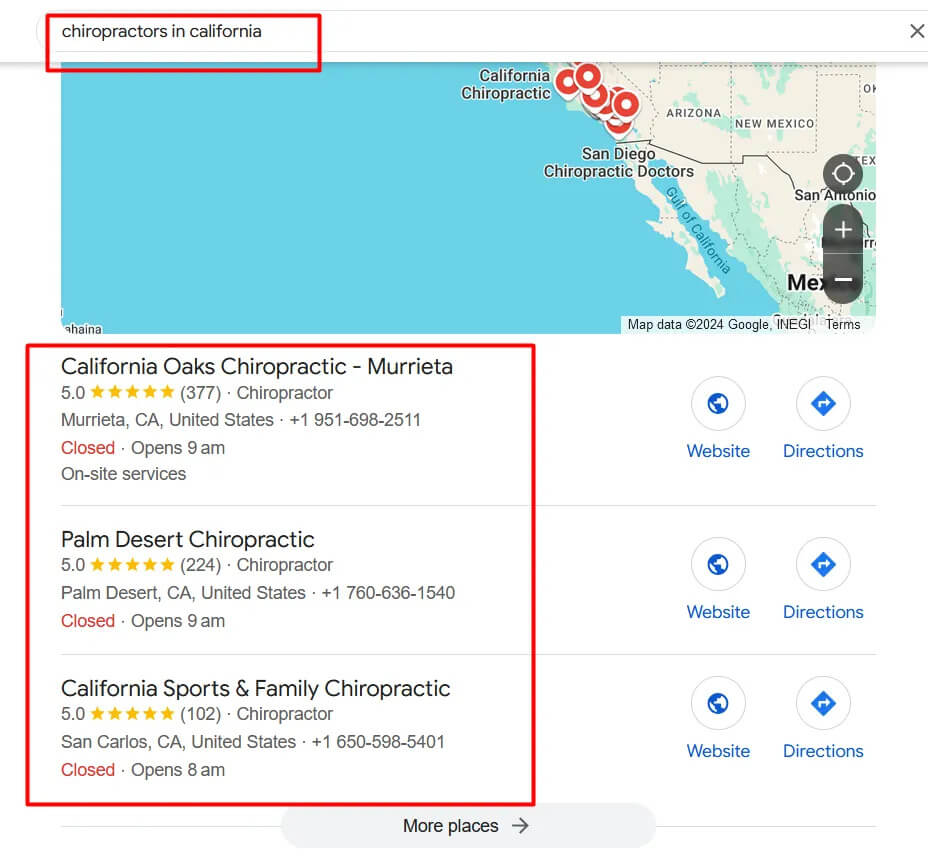
Location-focused keywords also help. Pages optimized for phrases like “chiropractor in [city]” or “back pain specialist in [area]” improve visibility when patients search locally.
Local backlinks strengthen this presence further. Listings on wellness directories, community websites, and local health blogs increase credibility and search rankings over time.
SEO takes patience, yet strong rankings often become one of the most reliable sources of new patients.
Recommended Read: 5 Ways Chiropractors are Earning More With Booking Software
Satisfied patients remain one of the strongest marketing channels for any chiropractic clinic. Strong patient retention often leads to more referrals, reducing the need for additional marketing spend.
Consider offering small incentives such as discounts, complimentary add-ons, or wellness perks for successful referrals.
Partnerships can also help. Local gyms, yoga studios, physiotherapists, and wellness centers often serve the same audience. Referral relationships with these partners create mutual value.
The key is simplicity. A digital referral link or a physical referral card makes the process easy for patients who want to recommend your clinic.
Patients often research their symptoms before booking care. Educational content helps them find your clinic while building trust. Publishing informative articles or guides allows your practice to answer common questions patients already search for online. To create an effective content strategy:
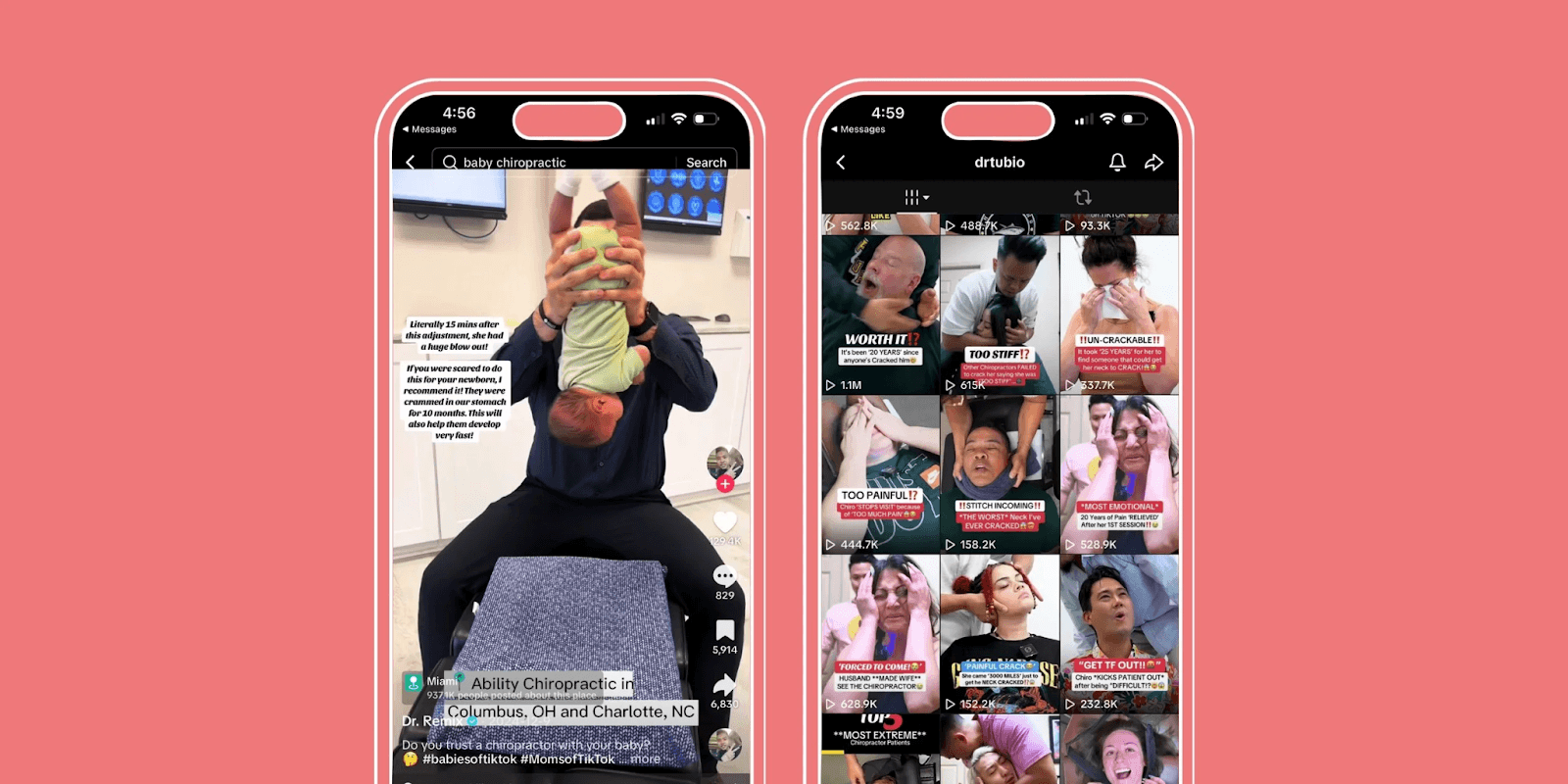
Patient success stories also strengthen credibility. Real recovery experiences help potential patients understand the value of chiropractic care.
Social media supports this effort. Short educational posts, wellness tips, and behind-the-scenes content help your clinic stay visible between patient visits. Over time, consistent content positions your practice as a trusted source of information.
Organic strategies take time to build momentum. Paid advertising helps generate patient inquiries more quickly. Platforms such as Google Ads, Facebook Ads, and Instagram Ads allow you to reach people actively searching for care or matching your ideal patient profile. For effective paid ad campaigns:
Athletes, seniors, office workers, or expectant mothers may all respond to different ad messages. When combined with strong SEO and referral strategies, paid campaigns help maintain a steady stream of new patient inquiries.
As the clinic grows, admin work usually grows with it. Scheduling, billing, documentation, and follow-ups can start taking time away from patient care.
That is where the right technology starts making a real difference. It helps reduce manual work, improves accuracy, and makes the clinic easier to run day after day.
Also Read: Step-by-Step Guide to Choosing the Best Automation Software for Chiropractors
Handling appointment scheduling, records, billing, and compliance manually can slow the clinic down. It also increases the chances of missed details and avoidable errors.
A practice management system helps bring those tasks into one place. That gives the team a clearer workflow and reduces the need to jump between different tools.
When these parts stay connected, the clinic runs more smoothly. Patients deal with fewer delays, and staff spend less time on repetitive admin work.
For many clinics, this is where a system like Noterro becomes useful. It keeps scheduling, charting, billing, and patient records in one place, which makes daily work feel more manageable as the clinic gets busier.
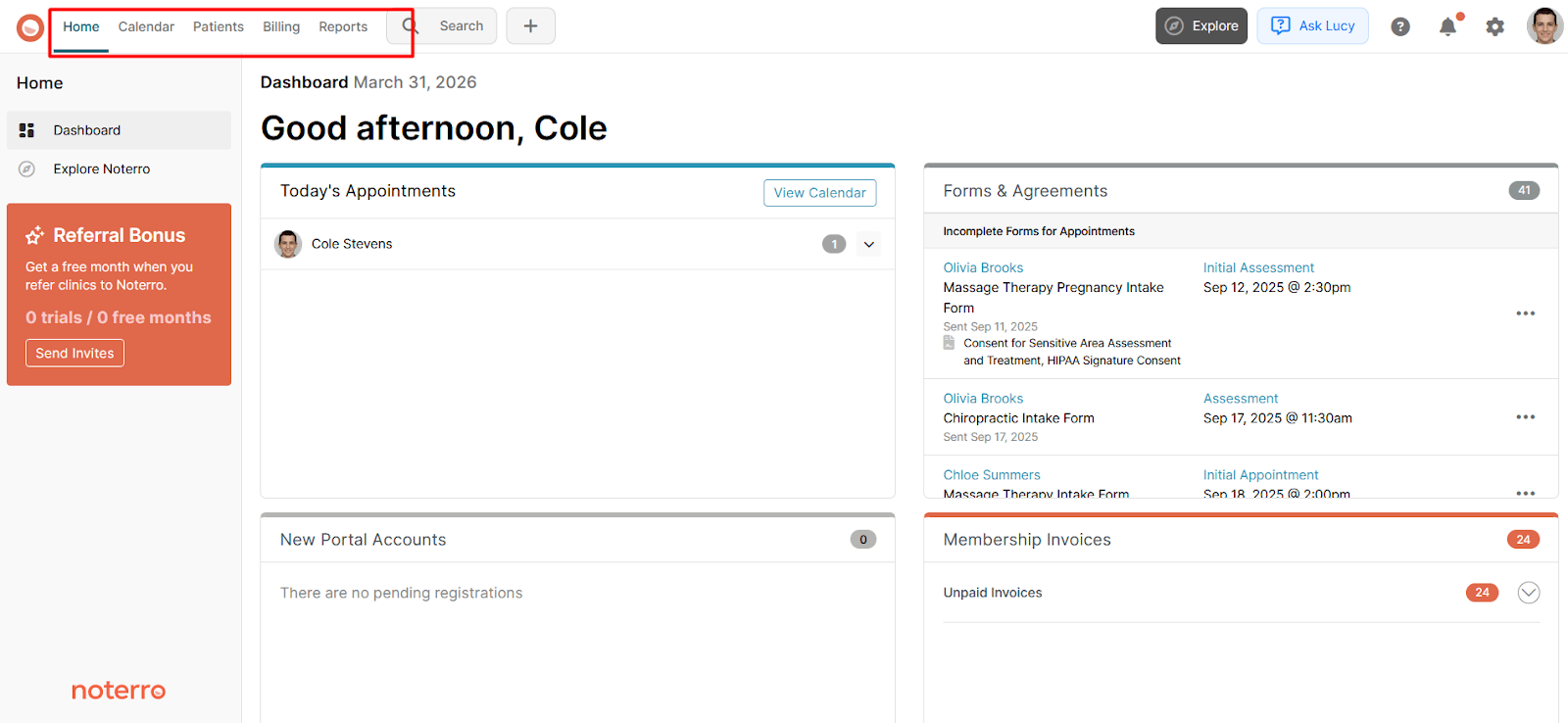
A centralized setup also improves the patient experience. Fewer administrative mistakes, faster check-ins, and clearer records all help the clinic feel more reliable and professional.
Patient retention is not just a growth strategy; it’s a financial necessity. Industry surveys show that 73% of medical practices report their patient no-show rates have either stayed the same or improved after implementing better reminder systems and patient communication. Loyal patients provide recurring revenue and often act as brand advocates. Strong patient retention also supports revenue stability and reduces reliance on constant patient acquisition.
Patients often stay consistent when treatment plans offer clear value. Structured packages make ongoing care easier to commit to.
One simple example is a treatment bundle such as “10 sessions with 1 complimentary visit.” Pre-booking discounts also encourage patients to maintain regular appointments.
Seasonal or birthday incentives can reinforce this commitment. Even a small gesture like a birthday discount or complimentary service helps patients feel recognized and appreciated.
These programs often improve retention while keeping the clinic schedule more predictable.
Education keeps patients connected to their care between visits. Sharing useful information reminds them that chiropractic care supports long-term health, not just immediate pain relief.
Short newsletters or educational updates can cover topics such as posture habits, mobility exercises, or injury prevention. Content like “5 Exercises to Relieve Back Pain” or workplace posture guidance often resonates well with patients.
Social platforms also play a role. Short videos, infographics, and quick wellness tips keep your clinic visible and reinforce your expertise.
Over time, this consistent education strengthens trust and encourages patients to continue their treatment plans.

Membership models provide structure for both patients and clinics. They make care more predictable while supporting recurring revenue.
A simple plan might include:
These programs help patients view chiropractic care as part of ongoing health maintenance rather than occasional treatment.
Regular communication strengthens patient relationships. A simple follow-up message after an appointment can reinforce the care plan and remind patients of the next steps.
Appointment reminders via email, SMS, or phone also reduce missed visits and keep schedules consistent.
It also helps to reconnect with patients who have not visited recently. A brief reminder or special offer can encourage them to return before they completely disengage from care.
Helpful Read: The Impact of Appointment Reminder Software to Boost Patient Engagement
Review inactive patients periodically and send a friendly check-in message or a reminder to encourage them to return to treatment.
When you expand beyond standard chiropractic services, it strengthens your practice and reduces financial risk.
Relying solely on adjustments limits your income potential, while adding complementary services and products creates steady, multiple revenue channels. Diversification ensures your practice remains profitable even during slow periods.
Expanding beyond standard chiropractic services can strengthen your practice and improve revenue optimization without significantly increasing operational workload.
Relying only on adjustments limits your income potential. Adding complementary services and products creates multiple revenue channels and helps keep revenue steady, even during slower periods.
Offering additional therapies increases patient value and attracts people looking for broader wellness support. Services such as massage therapy, acupuncture, or nutritional counseling naturally complement chiropractic care and often encourage patients to book multiple treatments.
Corporate wellness programs can also open new opportunities. Many companies invest in workplace wellness initiatives to improve employee health and productivity.
Partnering with local businesses to offer ergonomic assessments, posture correction workshops, or routine spinal health checks can bring consistent revenue while increasing your clinic’s visibility in the community.
Interesting Read: How to Turn Your Chiropractic Clinic into a Patient Magnet
Selling health-related products allows patients to continue their care at home while creating an additional revenue stream for your clinic.
Items such as ergonomic cushions, posture correctors, foam rollers, and high-quality supplements can support recovery and reinforce treatment plans.
Providing condition-specific recommendations also builds trust. For example, if a patient struggles with chronic inflammation or muscle tightness, suggesting anti-inflammatory creams, resistance bands, or heating pads makes the recommendation practical and relevant.
Workplace wellness partnerships can introduce chiropractic care to entirely new audiences. Businesses often look for ways to reduce employee discomfort, lower sick days, and improve productivity.
Providing on-site chiropractic care, posture workshops, or ergonomic assessments can help address these concerns while bringing new patients into your practice.
For example, a monthly posture workshop or a corporate wellness package that includes spinal health screenings can create long-term partnerships with local companies.
Digital resources allow you to educate patients while generating additional income without increasing your appointment load.
You can create resources such as short exercise guides, posture improvement programs, or educational videos explaining common chiropractic conditions. Topics like “10 Exercises to Prevent Lower Back Pain” or “Daily Mobility Routines for Desk Workers” are highly relevant to many patients.
These resources can be sold directly on your website or included in a wellness membership program.
Review your patient demographics and treatment trends to identify which additional services or products your patients are most likely to use. Expanding in areas that align with your existing patient needs often produces the best results.
Your team shapes both patient experience and clinic efficiency. When staff feel clear on their role and supported in their work, the clinic runs better. A well-trained team also improves operational efficiency and helps handle higher patient volume without increasing stress.
A strong team usually comes down to three things: hiring the right people, keeping training consistent, and making sure good work gets noticed.
Adding the right specialist can help your clinic serve more patients without stretching your existing team too thin. It also helps you offer more focused care.
If your clinic sees a lot of athletes, bringing in a sports chiropractor may make sense. If recovery support is a bigger need, a massage therapist may be a better fit.
The key is alignment. Every new hire should support the kind of care your clinic wants to be known for.
Training should not stop after onboarding. As the clinic grows, staff need regular updates on workflows, patient communication, and care standards.
Monthly training sessions can help keep everyone on the same page. They also reduce inconsistency, which usually shows up first in patient experience.
You can also encourage staff to attend outside workshops, online courses, or industry events. That keeps skills moving forward and prevents the clinic from getting too static.
A motivated team usually gives better care and communicates better with patients. That affects retention more than many clinic owners realize.
Recognition does not always need to be complicated. Performance bonuses, simple shout-outs, or a small team reward can go a long way.
Some clinics tie incentives to patient retention, smooth scheduling, or front-desk accuracy. Others keep it simpler with regular appreciation and small milestones.
What matters most is consistency. When people feel their work is noticed, they are more likely to stay engaged and take pride in how the clinic runs.
Set time aside each month to review what is working, where staff feel stuck, and what support they need next. That habit often prevents small issues from turning into bigger operational problems.
Growth only helps if your clinic can handle it without losing consistency. As demand increases, your systems need to keep pace with scheduling, patient records, billing, and communication.
That is what scalability really comes down to. You want the clinic to grow without creating more confusion, more admin pressure, or a weaker patient experience.
If patient demand starts pushing past your current capacity, opening another location may become the next step. The challenge is not just adding space. It is keeping every location organized and connected.
That usually means centralizing scheduling, billing, and patient records so your team is not working in silos. Noterro supports multiple locations, shared scheduling tools, reminders, waitlists, reports, and staff management, which helps clinics stay aligned as they grow.
For mobile chiropractors, managing multiple appointments in different locations presents unique challenges. Noterro GO, designed for mobile practitioners, simplifies travel and appointment scheduling:
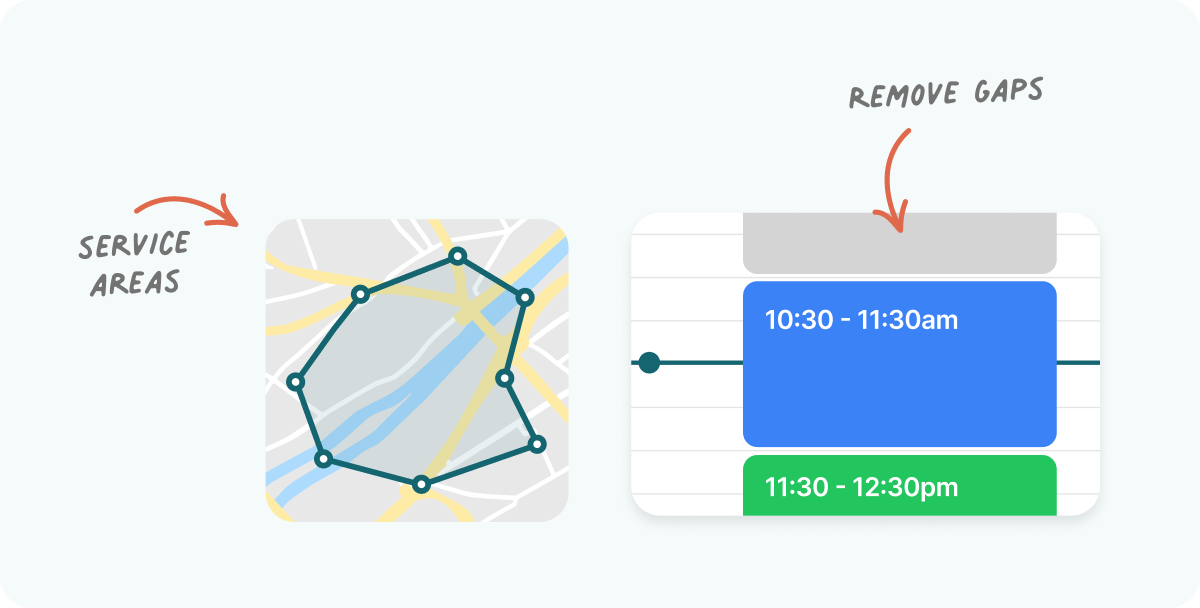


Watch: Noterro GO!
These tools help mobile chiropractors streamline their day, cut down on travel time, and maximize client-facing hours, making growth efficient and manageable.
As the clinic grows, consistency becomes harder to protect unless your team follows the same process. Patients should get the same level of care and the same overall experience, no matter which location or practitioner they see.
That is where standard operating procedures help. Clear steps for consultations, booking, follow-ups, and documentation reduce guesswork and make onboarding easier for new staff.
Training manuals and simple workflows also help keep quality stable as the team expands. Without that structure, growth often creates uneven patient experiences.
Growth becomes harder to manage when important tasks stay scattered across different systems. The more locations, staff, and appointments you add, the more important it becomes to keep everything connected.
Noterro brings together appointment scheduling, patient management, billing, reports, online booking, reminders, charting, and multiple-location support in one platform. It also includes tools, such as SOAP and AI-powered notes, Predictive Charting, Snippets, Snapshots, Form Summary, and Noterro Scribe for faster documentation.
When information sits in one place, it becomes easier to review patient trends, service demand, and clinic performance. That gives you a better view of what is working and where the next growth decision should come from.
Additionally, track patient visit trends, revenue performance, and service demand to make informed business decisions. Identifying peak appointment times, high-performing services, and retention rates allows you to optimize scheduling and resource allocation. You can use Noterro’s data analysis capabilities to help with this too.
By integrating smart technology into your growth plan, you can expand efficiently while maintaining high-quality care for every patient.
Long-term growth comes from doing the basics well and improving them with consistency. It is not only about getting more patients through the door. It also depends on stronger retention, better systems, and smoother day-to-day operations.
Each step in this guide supports that process. Track performance, set clear goals, improve patient experience, and keep your clinic organized as demand grows. Tools like Noterro can support that structure by keeping scheduling, records, and billing connected. Start with the area that needs the most attention now, then improve it steadily.

Tags
Ryan Barichello, Co-Founder of Noterro, is a dynamic leader with a vision for innovation and excellence in the tech industry. With both a Business and Computer Science diploma from Mohawk College, Ryan has honed his business and software development expertise.
His leadership and dedication have garnered him several prestigious awards, including the 2018 Fast 40 Hamilton issued by Hamilton Economic Development. He also received the 2015 Outstanding Small Business of the Year from the Stoney Creek Chamber of Commerce and the 2013 Hamilton Top 40 Under 40 from Business Link Media.
Beyond his professional achievements, Ryan is deeply involved in community initiatives. As a board member of Festitalia for 9 years, he actively promoted Italian culture and heritage in the community. He also has spent time volunteering as a mentor in Greater Hamilton Teaching Youth Entrepreneur Program (M.I.G.H.T.Y), nurturing the next generation of leaders.
With a keen eye for detail and a disciplined approach, Ryan tackles challenges with precision, ensuring that every project he undertakes is a resounding success. Ryan's strategic mindset and passion for entrepreneurship have been instrumental in propelling Noterro to the forefront of the industry.
Driven by a relentless pursuit of excellence, Ryan is passionate about technological innovation. His expertise in addressing complex challenges with precision, alongside his dedication to innovation, sets him apart as a leader in the technology field.


.webp)
No credit card required. Available 1-on-1 support.
.webp)
No credit card required. Available 1-on-1 support.
.webp)
.webp)



.webp)