No items found.
Free Webinar · May 7 · How to Get (and Keep) More Patients as a Practitioner →
Save Your Spot


Table of Contents

Experience Better Practice Management Today!
Starting at $28.05/month
No Credit Card Required
Experience Better Practice Management Today!
Starting at $30/month
No Credit Card Required
If you’re here, you’re probably thinking seriously about starting your own chiropractic clinic. You may already feel confident in your clinical skills, but setting up the business side in a simple, manageable way can still feel harder to sort through.
The U.S. chiropractic industry is strong, valued at $24.0bn in 2026, and is experiencing steady growth. The opportunity is real, but only if your operations, pricing, and patient workflows are set up clearly from the start.

I’ve worked with healthcare professionals to build and improve clinics, and the pattern is consistent. When key systems run separately, things become harder than they need to be.
In this blog today, I’ll walk you through how to:
Let’s get into it.
Starting a chiropractic practice is an exciting venture, but success begins with careful planning and strategic decisions. Here’s a checklist to help you lay the foundation for a patient-centered practice, from choosing the right location to selecting chiropractic practice management software.
Building a successful chiropractic practice starts with understanding your market, defining your niche, and setting clear goals
To create a successful chiropractic business, you need to deeply understand the market landscape. Research local and national trends to understand the demand for chiropractic services. In the U.S., chiropractors earn a median annual salary of $79,000, with top earners making up to $142,580. These figures vary depending on location and competition.
Use Google Maps and Yelp to identify nearby chiropractic practices. Look at their services, pricing, and patient reviews. For instance, are they offering wellness packages or focusing solely on adjustments?
Evaluate underserved areas or overlooked services. For example, if most local clinics focus on injury recovery, you might specialize in ergonomic assessments or wellness care.
Research your community’s needs. Are you surrounded by families, seniors, or busy professionals? Each group has distinct chiropractic needs. Families may value pediatric care, while seniors may seek gentle, mobility-focused adjustments.
If no one caters to desk-bound professionals in your area, consider positioning your practice as the go-to for ergonomic consultations and stress-relief treatments.
Chiropractic business is a relatively competitive area, and it’s not enough to be a generalist. A well-defined niche allows you to focus your marketing, tailor your services, and build a loyal client base in your chiropractic business model.
So, what niches are available for you?
Remember that your niche should align with both your interests and your community’s needs. For example, if you’re located near office complexes, focusing on corporate care may make sense.
On the other hand, a suburban area with young families may respond better to pediatric care.
Pro Tip: Research local demographics to match your niche to the market. For example, areas near gyms or yoga studios are likely to have a higher demand for sports chiropractic services.
Once you understand your market and niche, it’s time to map out your vision. SMART goals give you direction, help measure your progress, and ensure that your business stays aligned with your long-term aspirations.
Example: Build a base of 30 regular patients within the first three months.
Example: Achieve $15,000 in monthly revenue by the second quarter.
Example: Begin with one or two specialties before expanding your offerings.
Example: If targeting families, focus on pediatric care packages and promotions.
Example: Secure a partnership with a local gym by the end of your first year.

Pro Tip: Many business owners have told me that they revisit their goals every quarter to assess their progress and make adjustments as needed. Doing this will allow you to stay flexible and responsive to market changes.
A well-crafted chiropractic business plan is the foundation of your chiropractic practice. It serves as a roadmap to success, helping you anticipate challenges, prepare solutions, and set clear goals.

Executive Summary: This section offers an overview of your vision, mission, and values. It should answer the question: “Why does this business exist, and how will it succeed?”
Pro Tip: Keep this section brief but impactful. I’d say revisit and refine it as your business evolves, ensuring it always reflects your core purpose.
Service Portfolio: What services will you offer? Highlight how your services meet your target audience’s needs and set your practice apart.
Pro Tip: Prioritize durability and ergonomic features when selecting equipment to ensure both practitioner efficiency and patient comfort.
Pricing Strategy: Chiropractic session fees range between $60 and $200, depending on the region and services offered. Flexible pricing models, such as membership plans or multi-session bundles, can help boost patient retention.
Cash-Based Practice: If you’re considering a cash-based model, it allows more control over finances and pricing flexibility. Establish transparent pricing and ensure patients understand the value of out-of-pocket payments for personalized care.
Pro Tip: I’d recommend you research your competitors’ pricing but don’t undersell your expertise. Focus on delivering exceptional patient care to justify premium rates.
Also read: 9 Clever Data Strategies to Boost Patient Stickiness for Chiropractors
Market Analysis: Understanding your market is critical for tailoring your business plan to meet local demand. A thorough analysis answers questions like:
For example, if your clinic is near an office district, focusing on ergonomic consultations and corporate partnerships could be a strategic move.
Pro Tip: I’ve found that Google Maps is great for checking out competitors and reviews. Use local census data to get a feel for demographics, and Google Trends to track interest in services like “sports chiropractic.” I also recommend adding surveys or focus groups to get real insights from your community.
Pro Tip: Prioritize durability and ergonomic features when selecting equipment to ensure both practitioner efficiency and patient comfort
Once the basics are covered, invest in furnishings and décor to create a warm and inviting atmosphere.
Comfortable seating, soothing lighting, and tasteful artwork for your waiting room may require an additional $1,000 to $3,000. A thoughtfully designed space reflects professionalism and helps patients feel at ease.
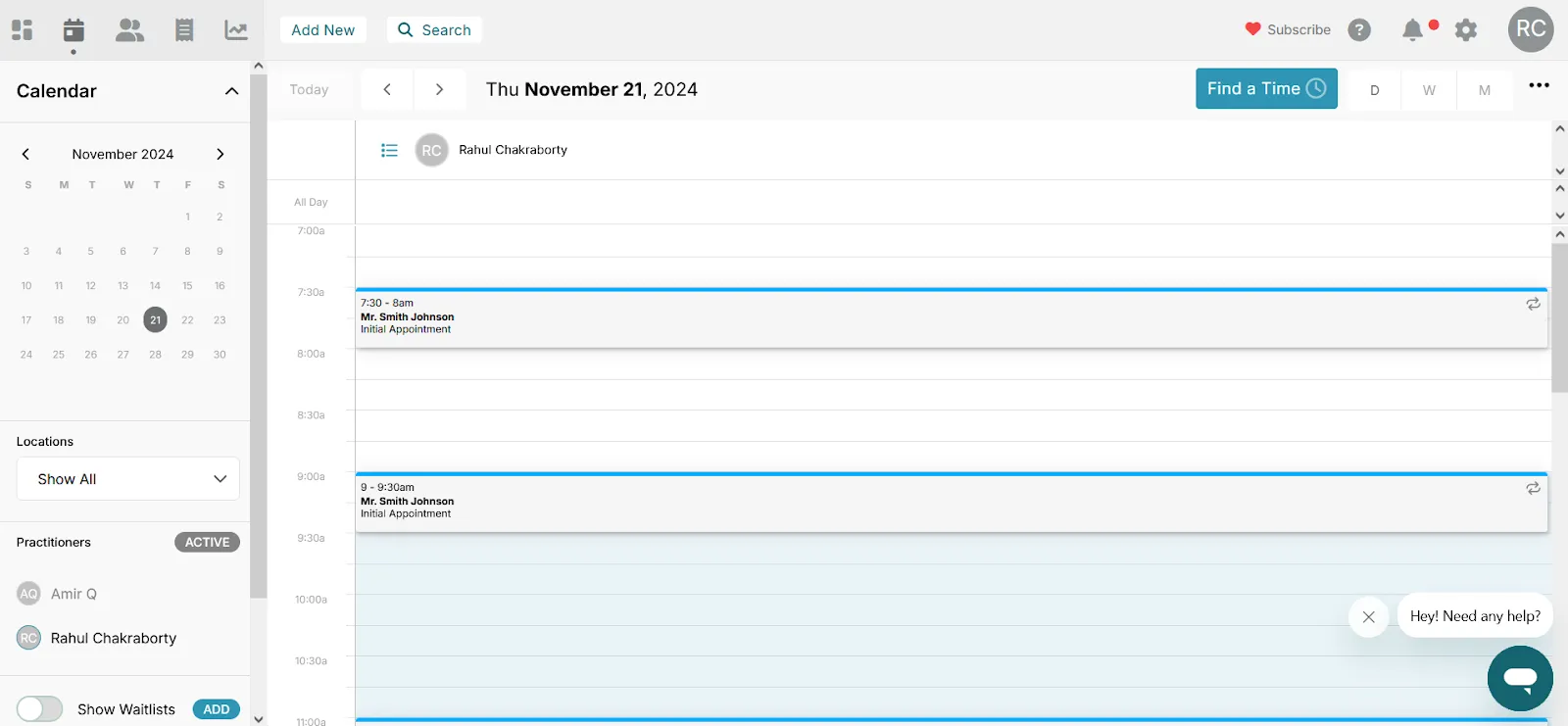
Pro Tip: Choosing software that grows with your practice ensures long-term value and avoids switching costs down the line.
This analysis gives you a clear target for customer acquisition and helps you plan your workload effectively.
Let me share some cost-effective marketing strategies to make getting started a bit easier:
Once you’ve calculated your startup costs, explore funding options to bring your business plan to life.
Pricing should reflect your expertise, the quality of your services, and your target market’s expectations. It’s not just about numbers; it’s about positioning your practice for long-term profitability.
As mentioned above, the Chiropractic session fees typically range from $65 to $200 per session, depending on the service type and region. For example:
To fine-tune your pricing:
The Value of Specialization
Specialized services often justify premium pricing. For instance:
Pro Tip: I’ve seen firsthand how important it is for practices to highlight what sets them apart. Whether it’s advanced techniques, personalized care, or the ease of online booking, make sure your patients understand the real value they’re getting.
Flexible pricing models are a smart way to attract a diverse range of patients while building loyalty. A one-size-fits-all approach might limit your potential, but offering options ensures you can meet varying needs and budgets.
By offering flexible pricing, you can appeal to a broader audience, encourage repeat visits, and ensure your practice’s financial stability.
To understand how flexible pricing can stabilize and grow your income, consider this scenario:
Then, your total monthly revenue would be $6,575. By combining standard rates with packages and memberships, you create multiple revenue streams that build financial stability and patient retention.
Pro Tip: Revisit your pricing strategy every 6–12 months. Adjust for market trends, increased experience, and added services to stay competitive while maximizing profitability.
You need to decide how your clinic will actually run. Your business model shapes both your day-to-day operations and the patient experience. When this isn’t clear early on, it tends to create friction later, especially around costs, scheduling, and growth expectations.
Common Chiropractic Business Models
When choosing your setup, most practices fall into one of these three categories:
Recommended Read: How to Maximize Your Practice Growth with Chiropractic Scheduling Software
| Model | Cost | Pros | Cons |
|---|---|---|---|
| Solo Practice | High | Full Control | High cost |
| Shared Practice | Medium | Lower Control | Lower cost |
| Mobile Practice | Low | Flexible | Harder to grow |
The right choice depends on how you want your clinic to operate day to day, not just what looks good on paper.
Think about:
For example, if you want full autonomy and plan to grow a brand, a solo practice may make sense. If you’re trying to reduce risk early on, a shared space or mobile model can be a more practical starting point.
Pro Tip: Choose a model that matches your current capacity and goals. It’s easier to expand later than to fix a setup that feels misaligned from the start.
Chiropractic is a highly regulated profession. To practice legally and build patient trust, obtaining the necessary licenses, certifications, and insurance is essential.
Pro Tip: Look for specialized insurance providers for chiropractors to secure comprehensive coverage tailored to your practice’s needs.
The location of your chiropractic practice plays a vital role in your success. It impacts accessibility, operating costs, and long-term growth.
Whether you're starting small or planning to expand, your location should support how your clinic runs day to day and how patients experience your care.
Since you’ve already chosen your business model, this step is about finding a location that supports it. For example, a solo or shared clinic needs the right physical space, while a mobile practice depends more on defining a clear service area.
Recommended Read: How to Maximize Your Practice Growth with Chiropractic Scheduling Software
Regardless of your setup, your physical location or service area for mobile practices has a direct impact on patient flow and retention. Here’s what I recommend you focus on:
Pro Tip: If leasing space, negotiate rent-free months during the buildout phase. This can offset initial costs, such as renovations and equipment setup.
The equipment you select plays a crucial role in defining the quality of care you offer and shaping your patients’ experience. Choosing high-quality, reliable tools not only ensures smooth operations but also builds trust with your patients.
Thoughtfully equipping your practice is essential to creating a professional environment that promotes efficient workflows and outstanding patient care.
Also Read: The Ultimate Guide to Patient Intake Software in Chiropractic Care
Pro Tip: Outfitting your practice doesn’t have to break the bank. You can find high-quality used equipment from trusted suppliers and build up your inventory as your practice grows. I also recommend setting aside a contingency fund for unexpected repairs or equipment replacements to keep things running smoothly without interruptions.
Leverage Technology and Chiropractic Software
Managing a chiropractic practice involves unique challenges. Practice management software like Noterro is designed to streamline operations while improving patient care. Here's how its features can meet your chiropractic practice's needs:
Also Read: 7 Essential Tips to Speed Up SOAP Note Writing Efficiently
Noterro helps you manage your practice while creating a smooth and professional experience for your patients. This boosts their satisfaction and makes your workflow more efficient.

Here’s something interesting: Best Chiropractic Software: Top 10 Tools for Your Practice.
Pro Tip: I’ve found that integrating payment systems like Square can really enhance the patient experience by offering flexible payment options, like credit cards and digital wallets. Noterro’s secure Square integration makes managing payments a breeze, helping your clinic run smoothly.
Your brand is more than just a logo. It represents the personality of your chiropractic practice. A strong brand shapes how patients perceive you, sets you apart from competitors, and helps build trust. Thoughtful branding reflects your values, your expertise, and the unique care you offer. This makes your practice memorable and relatable to your audience.
Your brand identity starts with the basics: your logo, tagline, and communication style. These elements should reflect your niche and appeal to your target audience.
Design a logo and tagline that communicate your practice’s values and focus. For example, a family-oriented practice could use warm colors with a tagline like “Caring for spines, nurturing families.” Alternatively, a sports chiropractic clinic might opt for bold typography with a tagline like “Where recovery meets performance.”
Your brand voice is how you communicate with your patients. It should reflect your practice’s personality. Decide if your tone will be:
By keeping your voice consistent, patients know exactly what to expect when interacting with your practice.
Your online presence serves as your digital storefront and often forms the first impression for potential patients. A well-crafted online presence enhances credibility, attracts patients, and keeps them engaged.
A well-designed, SEO-optimized website is essential for modern branding. Here’s what to include:
Adding a blog can also increase visibility. For example, a blog titled “Top 5 Benefits of Chiropractic Care for Desk Workers” can attract local professionals searching for solutions to back pain.
Recommended Read: 5 Ways Chiropractors Are Earning More With Booking Software
Social media platforms such as Instagram, LinkedIn, and Facebook are powerful tools for connecting with patients. Share content that resonates with your audience:
High-quality visuals can significantly enhance your brand. Investing in professional photography for your clinic, staff, and treatment sessions (with patient consent) creates a polished and trustworthy image.
Great visuals not only make your practice look professional but also help build credibility with patients.
A thriving chiropractic clinic depends on a steady stream of patients, and effective marketing is key to achieving this. By combining local outreach with online advertising, you can attract new clients, build your reputation, and create lasting relationships within your community.
Your local community is your most loyal and accessible audience. Building relationships with complementary businesses and organizations can amplify your reach.
Pro Tip: Referral programs can do wonders for building your patient base. Offering a discount to loyal clients who refer new patients not only rewards them but also helps you attract more business. It’s a win-win for everyone.
Online platforms are invaluable for expanding your reach and targeting specific patient groups.
Effective ads with engaging visuals, like a short video highlighting your clinic’s welcoming atmosphere and patient-centered care, can help your practice stand out in a competitive market.
Interesting Read: How to Turn Your Chiropractic Clinic into a Patient Magnet
Pro Tip: From my experience, combining local outreach with online advertising works best. Promote a community workshop on social media and offer attendees a discount for their first visit. It’s a simple way to reach a broad audience while staying connected to the local community.
Managing a chiropractic practice extends beyond patient care—it requires efficient operations and sound financial oversight. By streamlining these areas, you can focus on providing quality care while ensuring your practice remains financially stable.
Operational efficiency is the backbone of a well-run clinic. Using clinic management software for chiropractors, like Noterro, can centralize and automate many administrative tasks, saving you time and minimizing errors.
Recommended Read: Chiropractic SOAP Notes Software for Better Patient Management
These tools not only enhance workflow but also free up your time to focus on patient care, rather than administrative tasks.
Pro Tip: Developing Standard Operating Procedures (SOPs) ensures consistency in your clinic’s operations. SOPs for patient intake, cleaning protocols, and appointment cancellations will help create a smooth, efficient, and compliant workflow.
Staying on top of your clinic’s finances is crucial for long-term success. Start by setting realistic revenue projections. For example, if you charge $100 per session and see 20 patients a week, your potential revenue would be $8,000 per month. Regularly tracking income and expenses helps you monitor your financial progress and identify areas for improvement.
Pro Tip: Work with an accountant to ensure you’re maximizing tax deductions, staying compliant with local regulations, and optimizing your financial planning. Integrating practice management software like Noterro with accounting platforms such as QuickBooks can simplify the process, ensuring smooth financial operations.
Strong financial management is essential for the long-term success of your chiropractic practice. By carefully tracking income, managing expenses, and staying on top of taxes, you ensure your practice remains profitable and prepared for growth.
Tracking cash flow is crucial to understanding your practice's financial health. Tools like QuickBooks and Xero allow you to easily categorize expenses, monitor revenue, and generate comprehensive reports.
To streamline this process, consider using Noterro, which integrates seamlessly with both QuickBooks and Xero. This integration enables you to sync billing, payments, and client records, saving you time and reducing errors.
Pro Tip: Regularly review your cash flow to identify areas for improvement and ensure you are meeting your financial goals.
Understand Basic Tax Requirements
Managing taxes is a critical part of running your practice. Staying compliant with tax regulations helps avoid penalties and keeps your finances on track.
By integrating Noterro with accounting platforms like QuickBooks and consulting tax professionals, you can simplify your financial management, focus more on patient care, and set your practice up for long-term success.
Pro Tip: In my experience, working with a tax professional is key to maximizing your deductions. It includes things like equipment costs, software subscriptions, and office expenses. It helps keep your tax liability down and your finances in check.
Your launch day marks the beginning of your chiropractic practice’s journey. A well-executed launch not only attracts new patients but also sets the tone for your practice’s success.
By combining a soft opening with a grand launch event, you can refine your processes while creating excitement and buzz within your community.
Begin with a soft opening to test your workflow and gather valuable feedback. Invite family, friends, or trusted acquaintances for trial sessions. Use this opportunity to:
A soft launch allows you to identify and address any operational hiccups before welcoming a broader audience, ensuring a polished experience for your official opening.
Your grand opening is the perfect opportunity to make a memorable first impression and attract a steady stream of patients. Here’s how to make it impactful:
For example, a promotion like “Book an adjustment during opening week and get a free ergonomic consultation” can create urgency while demonstrating the value of your services.
Pro Tip: I always recommend collecting feedback from patients after every session, especially in the first few weeks. Whether it's through online surveys or just chatting with them in person, the insights you get will help you improve and create a better patient experience.
You don’t need to do everything at once. Early on, clarity around your niche, business model, and patient workflow is what matters most. When scheduling, billing, and documentation are scattered across multiple tools, mistakes and inefficiencies multiply.
Many successful chiropractic clinics use an all-in-one system like Noterro to manage marketing, charting, billing, and patient communication. This keeps workflows consistent, reduces admin headaches, and allows you to focus on care.
Start small, build clear systems, and let your practice grow without unnecessary complexity. Keep your goals realistic and revisit them regularly to stay aligned with your niche and community needs.

Tags
Eric Saxton, Chiropractor at Cuse Chiro, is an expert with 10+years of experience with a strong track record of success in the field. With a background that includes building two thriving chiropractic practices, as well as working in various capacities in several other practices, Eric has developed a deep understanding of the industry. HIs expertise extends across a wide range of chiropractic specialties, including sports injuries, rehabilitation, pain management, physical therapy, myofascial release, wellness, pediatrics, healthcare, and injury prevention.
Moreover, Eric's extensive experience with over half a dozen EHR systems and billing software showcases his adaptability and proficiency in utilizing technology to reduce administrative expenses efficiently. He also has worked as a Clinical Peer Reviewer at CID Management.
Originally from Upstate New York, Eric attended New York Chiropractic College (now Northeast College of Health Sciences) in Seneca Falls. After graduation, he relocated to Virginia, near Washington DC, where he established his first practice, Saxton Chiropractic and Rehab, PLLC. Following the birth of their son, he along with his wife returned to Upstate New York. Eric sold his practice and in New York he founded Cuse Chiro, Inc., where he currently practices.
Eric Saxton's expertise and commitment to excellence make him a trusted practitioner and advocate for patient-centered care. He is also associated with respected organizations such as the International Chiropractic Pediatrics Association, Unified Virginia Chiropractic Association, and the American Chiropractic Association.
.webp)
No credit card required. Available 1-on-1 support.
.webp)
No credit card required. Available 1-on-1 support.
.webp)
.webp)



.webp)